Sep 25, 2025
How Design Decisions Influence Cost More Than People Realise
How Design Decisions Influence Cost More Than People Realise
When people think of renovation costs, they tend to picture tiles, flooring, or the price of the kitchen. But the real cost drivers are decided long before these details, inside the drawings themselves and importantly what is not on a drawing will cost you thousands!
1. Geometry drives complexity (and cost)
A square or rectangle is your most efficient form.
The moment you push or pull the envelope, an angled wall, a sloped ceiling, a niche. You increase structural requirements, steel, detailing time, and labour.
My planner encourages homeowners to explore multiple concept options and maximise what already exists before expanding (page 20).
2. Glazing transforms the architecture and your budget
A wall of glass can be spectacular, but it impacts:
Structural steel sizes, lengths and complexity of site (sticking them together in a narrow Victorian/Edwardian House!)
Thermal performance
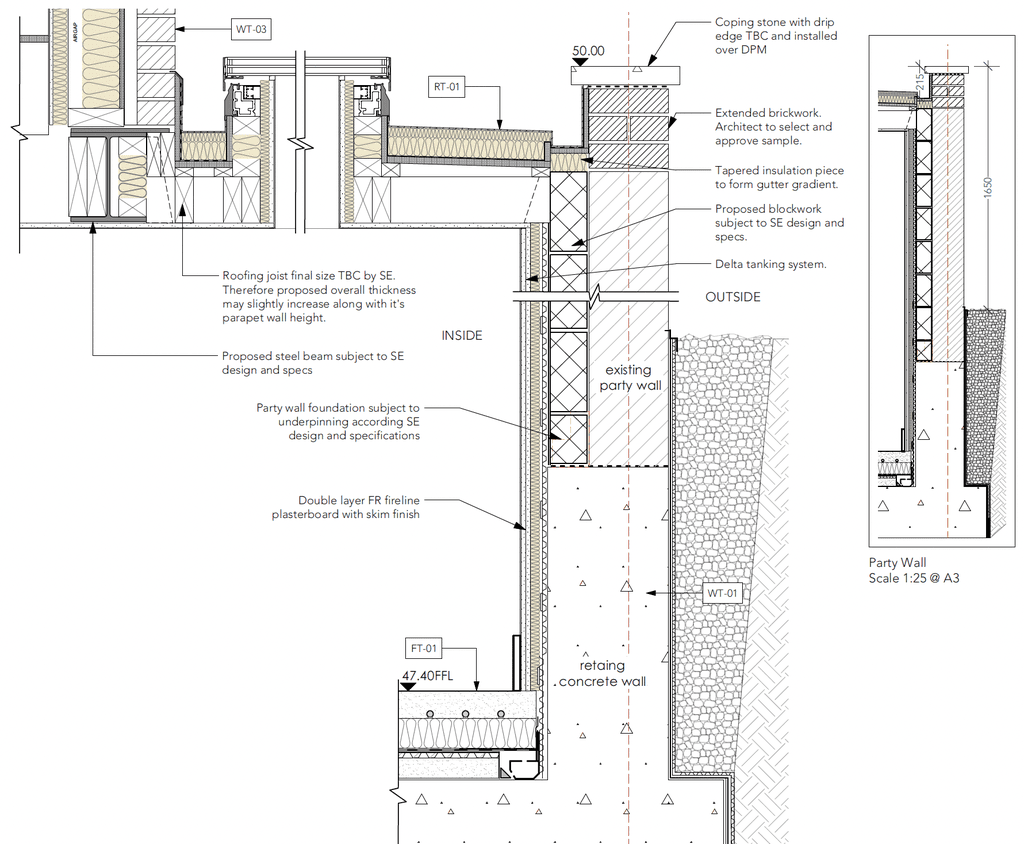
Foundation depth (and don’t forget that sneaky underpinning of your neighbours wall you hadn’t budgeted for!)
Build programme- not budgeting for the measure up once the hole is actually made (meaning you can’t install that kitchen below it!)
Specialist installation costs
A single glazing decision can shift your budget by thousands.
3. Moving a kitchen or bathroom is rarely “simple”
Behind every appliance and sanitary fitting is a network of drainage, ventilation, and structural penetrations.
What looks like a small layout change often carries big consequences.
4. Bespoke sizes cost more, even if they look small on paper
One of the quickest ways to overspend is unknowingly designing everything at non-standard sizes. My planner notes that designing to standard sizes is a powerful way to avoid hidden costs (page 20).
5. Professional fees vary depending on design choices
My planner clearly breaks down typical consultant fees, architects, structural engineers, building control, party wall, and QS, so homeowners understand how design scope affects costs (pages 12–13)
Design smart = save smart
Beautiful design and cost-efficiency are not opposites. When you understand the cost impact of your design decisions early, you can create a home that is both stunning and financially sensible.
The Cost-Saving Renovation Planner was created to help homeowners make these informed choices by laying out the fees, the pitfalls, and the smartest ways to build beautifully without overspending.
Kate x
Continue Reading
Explore ideas, trends, and behind-the-scenes stories from our studio.